Road, communication and relief when choosing a plot of land
When choosing a plot of land, physical criteria should be considered before price and size: road access, proximity to water, gas and electricity lines, relief, soil structure, sun direction and shape of the plot. These factors directly determine the construction cost, comfort and even the project of the future house. Below we explain how to check each criterion during inspection.
Road access
The road to the site is important both during construction and in daily life afterwards. Trucks carrying construction materials should be able to approach the site easily. If the road is narrow, steep or a dirt road, transportation becomes difficult and the cost may increase.
During the inspection, pay attention to:
- the width and surface of the road, whether it is passable after rain;
- the road remains usable in winter, especially in mountainous and high areas;
- the distance to the nearest main road, school, shop and public transport stop;
- which side of the site is the road. view and where the gate can be placed.
Proximity to water, gas and electricity lines
Connection is usually easier and cheaper if the communication lines pass by the site. If the lines are far away, running pipes and cables may require additional time and budget. If the ad says "utilities ready," ask separately which lines reach the lot.
- See how far the nearest power pole or line is from the lot.
- Check if the natural gas line is on the street and if neighboring houses are connected to gas.
- Find out how the water supply is handled, ask neighbors about water conditions in the summer.
- If there is a sewer line, if not, consider an alternative solution in advance.
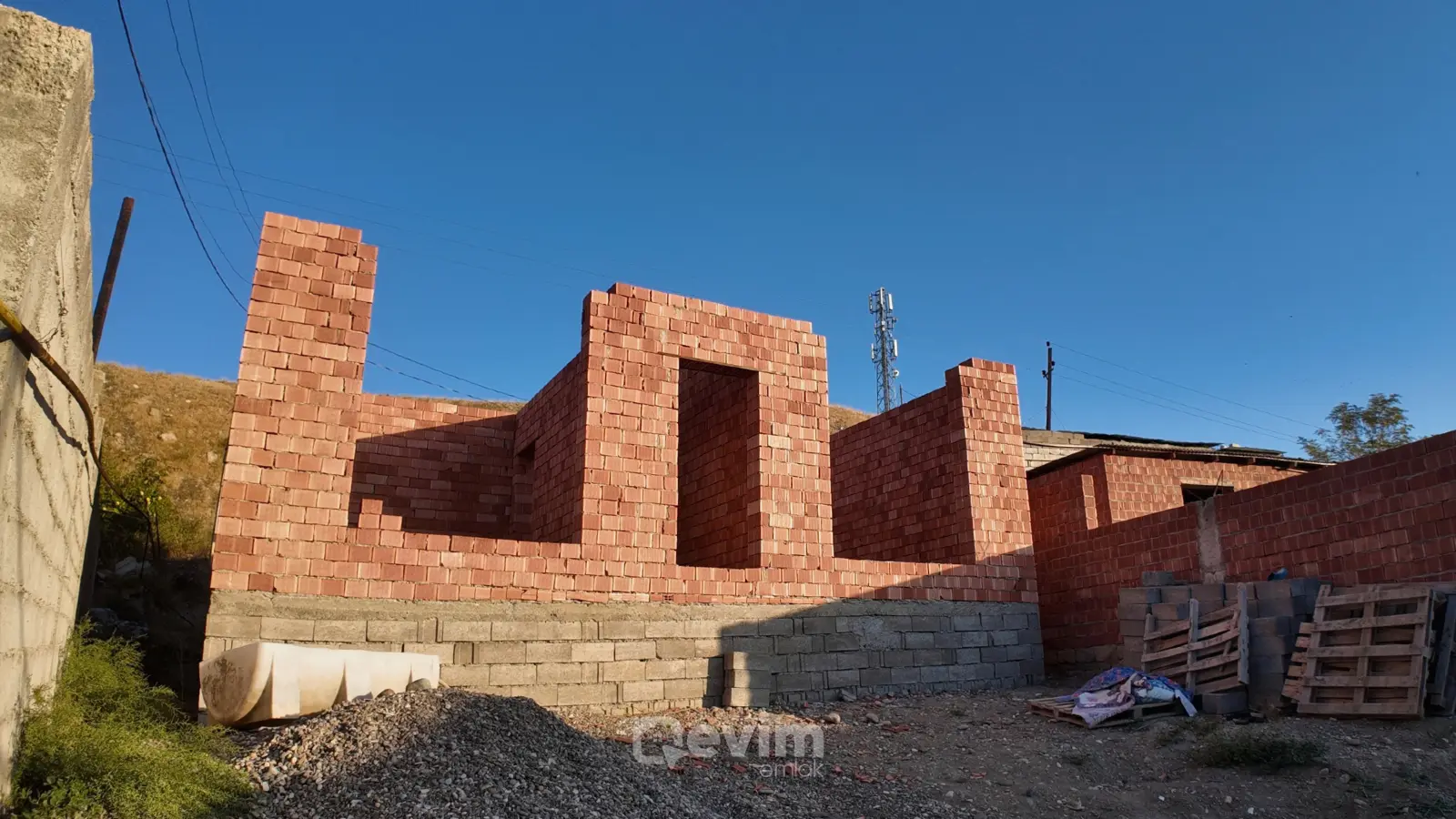
Given the dry climate and hot summer of Nakhchivan, if you want to build a garden in the yard, the access to irrigation water should also be evaluated separately. On a sloping site, additional earthwork, retaining walls and a stronger foundation may be required. However, a slight slope helps rainwater to run off and with the right design can create a beautiful landscape advantage.
Do the inspection if possible after a rain: you will see where the water collects, whether the area receives runoff from neighboring areas. Areas located in pits may have more moisture problems.
Soil texture is also very important: rocky, clay, sandy, or backfilled soil affects the type and depth of the core. If you are planning to build a house, showing the plot to a construction specialist before buying and, if necessary, having a land inspection can prevent large costs that may arise later.
Sun direction and neighboring buildings
The lightness and energy efficiency of the house depends on the location of the plot with respect to the sun. In the northern hemisphere, south-facing rooms receive more light during the day, which helps save heat in winter. In the summer, west-facing rooms get very hot in the afternoon, take this into account when planning windows and sheds.
Also look at neighboring buildings. If there is a tall building or dense trees on the south side of the lot, your yard and part of your house may be shaded. In addition, find out whether there is a noisy activity, a workshop or a place where animals are kept in the neighboring area, because this will directly affect your future comfort.
The shape of the plot: width and length
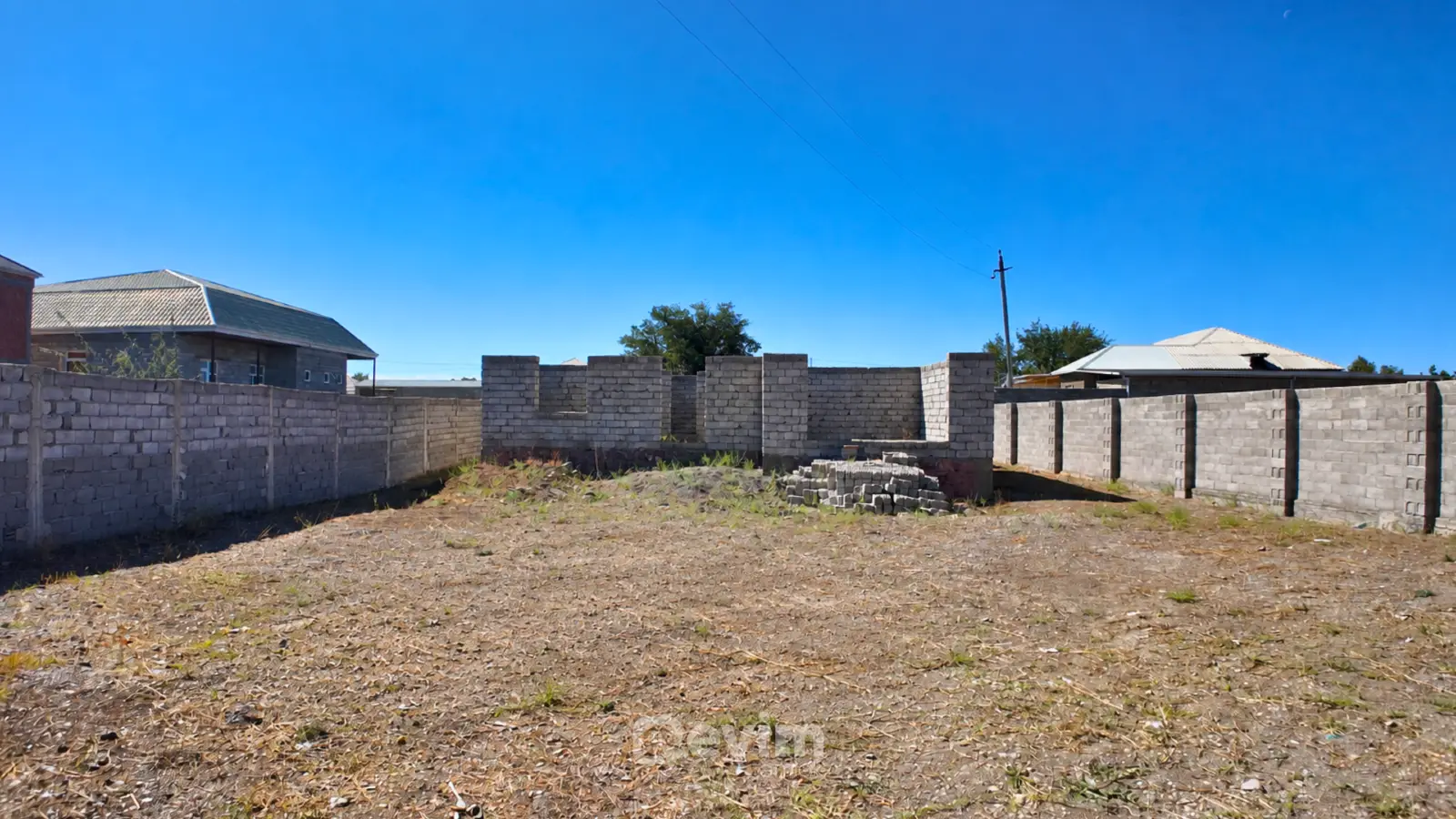
Two plots of the same size can give completely different opportunities for a house project. Let's take for example: 4 sot, i.e. 400 square meters area can be either 20 x 20 meters square or 10 x 40 meters long. It is easy to place the house in the middle of a square plot and keep a yard around it. On a narrow and long plot, the house should also be narrow or the yard should remain only on one side.
If the shape of the plot is irregular, for example, if it is close to a triangle, the usable area may appear smaller than the size on paper. If you have questions about converting between measurement units, see our article on calculation of sot, square meter and hectare. If you are looking for a plot of suitable size and shape, you can browse the land adverts.
A quick inspection checklist
When you go to the plot, write the following questions in your phone or notebook and answer them in the same way for each plot:
- Is the plot accessible by truck year-round?
- How far are the electricity, gas and water lines to the plot? is it close?
- Is the site flat or sloping, where does the rainwater collect?
- Is the soil rocky, clayey, sandy, or fill?
- Which way will the main rooms of the future house face?
- Does the width and length of the site allow for the desired house project?
It is also useful to visit at different times of the day: shadows, noise and movement are different in the morning and evening. Comparing multiple lots with the same listing makes it much easier to make a decision.
Frequently Asked Questions
Does it make sense to buy a sloped lot?
Yes, with the right design, a sloped lot can be advantageous in terms of views and water flow. However, additional costs for earthwork and foundation should be calculated in advance.
Is it worth buying a plot without communications?
It depends on how far the lines are from the plot and how much the connection will cost. Before making a decision, add this cost to the price of the plot and compare it.
Which shape is more suitable for building a house?
Typically, plots close to a square or a wide rectangle offer more possibilities for the project. It is possible to build a house on narrow and long lots, but planning is more limited.
If you want to find a plot of land that meets the physical criteria, the Evim Real Estate team can inspect the plots with you and compare the options. Contact us, we will provide you with fields that suit your needs.