
Moving day plan: a week-by-week checklist
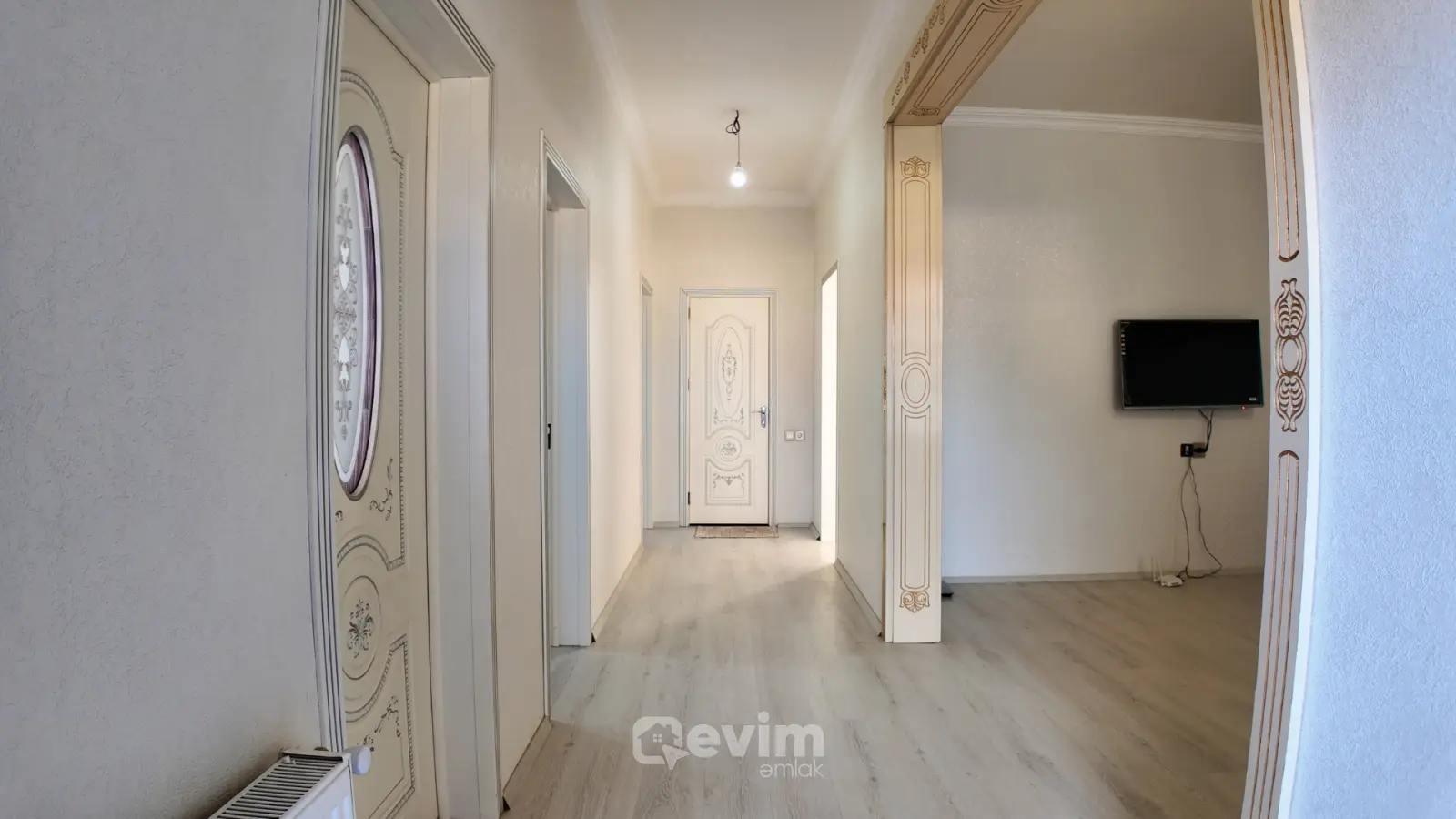
The secret to a smooth move is to start preparing at least four weeks in advance. If you break this down into phases—sorting, packing, calling utilities in advance, and planning moving day—the stress on the last day is greatly reduced. Below is a practical checklist you can use week by week.
4 weeks in advance: plan and get rid of excess items
As soon as the moving date is known, make key decisions: who will move the items, how many cars will be needed, who will help. If you are going to use a moving service, talk to them now, as the day you want may not be available later.
When choosing a moving date, choose a non-holiday business day if possible - it is easier to find a mover and helper on such days. Also consider the chapter: In the hot summer of Nakhchivan, it is more convenient to load early in the morning or in the evening, and in the cold winter, plan so that things and people do not stay outside for a long time.
- Go through each room and divide the things into three groups: to be taken, donated, thrown away.
- Remove unused clothes, old dishes and broken items now - the load you will carry will be reduced.
- New measure the rooms of the house and see if large furniture will fit there.
- Start collecting boxes, tape, markers, wrapping paper and old newspapers.
2 weeks before: packing and utility calls
At this stage, start packing things you don't use everyday: out-of-season clothes, books, decorative items, rarely used kitchen utensils.
- Check the boxes: write on the box which room it belongs to and what is in it.
- Heavy items in a small box: pack heavy items such as books and dishes in small boxes, and light items in large boxes.
- Fragile items: wrap glass and porcelain containers separately in paper, fill the empty spaces of the box with towels or cloth. learn. Call the service organizations and ISP in advance and ask what needs to be done and how long it might take to connect. Having the lights, water and heat working the day you move in is very important to your comfort, especially during the winter months. Take time to record the last meter readings in the old house as well.
1 week and 1 day before: final preparation
In the last week, most of the house should already be in boxes. Start stocking up so there is less food to carry and it's easier to empty the fridge.
The day before you move:
- Prepare a 'first day bag': keys, phone charger, medicine, a set of clothes, toothbrush, towel, a few plates and glasses, water and light snacks.
- Turn off the fridge and leave the door open so the ice melts before moving. Let it dry.
- Disassemble the parts of the furniture that need to be disassembled, put the screws in a small package and attach them to the furniture.
- Check the time again with the movers and assistants.
- Fully charge your phone and the necessary devices.
Moving day: sequence and control
- Start early in the morning and first put the first day bag, medicines separately, in your car.
- During loading first load the heavy furniture, then the boxes, and lastly the items that will be needed quickly, so that they are dropped first.
- Before leaving the old house, check all the rooms, closets and the balcony again; turn off the electricity, water and gas.
- In the new house, put the boxes directly in the rooms labeled on them - this will save you hours later.
- Make the beds first: no matter how long the day is, you will have a good night's sleep.
Don't try to do everything on moving day alone. Divide the responsibilities between family members: one to supervise the loading in the old house, the other to arrange the boxes in the new house. Don't forget to prepare water and a simple meal for helpers - it will make the long day easier.
Moving with children and pets
Moving with children can be both exciting and stressful. Tell them about the new house in advance, if possible see the house together. Put the child's favorite toys and bedding in a separate bag so that he sleeps next to his own things from the first night. Leaving small children with relatives or loved ones on moving day makes things easier for both them and you.
Keep pets in a quiet room or in a transport box, away from noise. Include their food and water bowls and bedding among the first items brought into the new home. Be careful when letting the animal out in the first days: it does not know the new area yet.
First week: adapting to the new home
- First tidy up the kitchen, bathroom and bedrooms, gradually empty the remaining boxes.
- Check all taps, electrical sockets, heaters and windows; if there is a problem, make a list.
- Consider changing the lock on the front door.
- Meet the neighbors, find out about the nearest store, pharmacy and parking.
- Fold empty boxes and store them or give them to someone in need.
Frequently asked questions
When should you start preparing for the move?
It is recommended to start at least four weeks in advance. If you have a lot of stuff at home or you're moving far away, it makes it easier to start preparing sooner.
When should you call utilities?
About two weeks before you move. In this case, it is more likely that electricity, water, gas and internet will be ready in the new house by the day you move.
What should be unpacked first on the day of moving?
The first day's bag, bedding and the most necessary items for the kitchen. You can empty the remaining boxes in the next few days without rushing.
If you are still looking for a house to move to, you can look at the current property ads in Nakhchivan. If you need help choosing the right home, contact the Evim Imlak team – let's find your new home together.