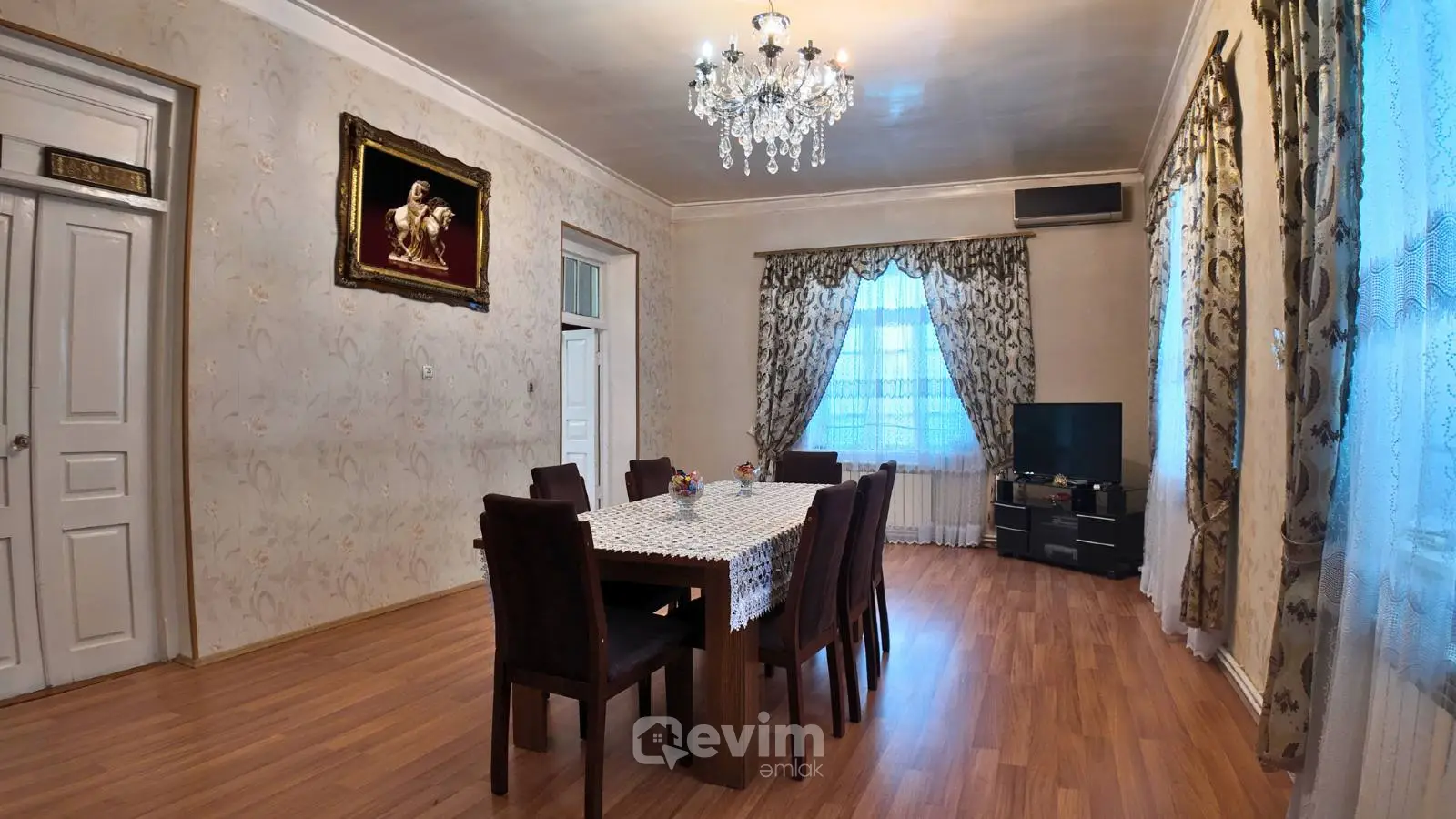
Decision after home inspection: how to make a comparison chart
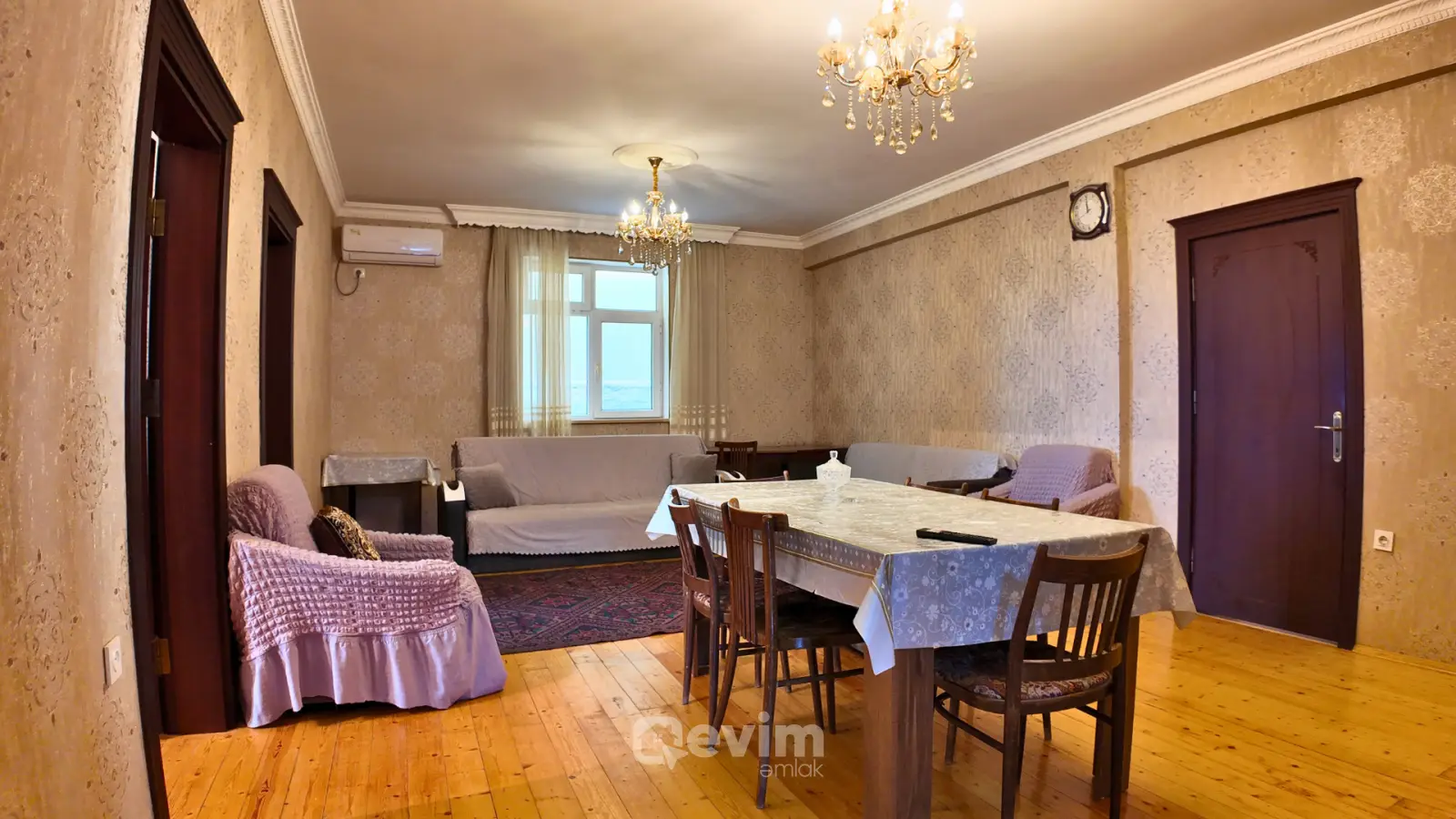
To make the right decision after a home inspection, rate the homes you viewed against the same criteria in a simple comparison chart with weighted scores. Based on photos and notes, take a second look at the house you like and make the final decision together with your family, without giving in to emotions. Below is a step-by-step guide on how to do this.
Why do you need a comparison chart?
After looking at a few houses, the details quickly get mixed up: which house had a spacious kitchen, which had windows facing the sun, which had a more comfortable yard? Relying on memory often works in favor of the home you saw last or made the best impression. The comparison table allows you to evaluate all options under the same conditions and with the same questions. You can prepare the table on paper or in a simple table app on your phone; the main thing is the same approach to each house.
The table has another benefit: when there is a disagreement between family members, the discussion is not based on feelings, but on specific criteria.
How to choose criteria and weighting points?
First write down the criteria that are important to you. These are usually:
- price and budget;
- location: proximity to work, school and daily services;
- number and layout of rooms;
- repair condition and future work required;
- light, sun and ventilation;
- floor, elevator or yard;
- quietness and safety of the neighborhood.
Then weigh each criterion. For example, 1 to 3: 3 means very important, 2 means moderately important, 1 means less important. For a family with children, proximity to a school may receive 3 points, while for someone who works from home, quietness and light may carry a higher weight. It is better to determine the weights before the inspection so that they are not adjusted to the house you like later.
Sample table: comparing two houses
All figures in the table below are examples only. Each house is given a score from 1 to 5 for each criterion, then the score is multiplied by the weight.
| Criteria | Weight | House A: score | House A: result | House B: score | House B: result |
|---|---|---|---|---|---|
| Price and budget suitability | 3 | 3 | 9 | 4 | 12 |
| Place (work, school) | 3 | 3 | 9 | 5 | 15 |
| Rooms layout | 2 | 4 | 8 | 4 | 8 |
| Repair condition | 2 | 5 | 10 | 3 | 6 |
| Light and sun | 1 | 3 | 3 | 5 | 5 |
| Total | 39 | 46 |
This in the example, House A may make a more pleasant impression on inspection with a recent renovation. But a weighted calculation shows that House B is ahead in terms of price and location, which are more important to you. This is the main benefit of the table: it directs attention to your priorities from the first impression.
Sometimes the sum of two houses comes out very close to each other. In this case, look at the criteria with the highest weighting separately, or add a criterion to the table that you did not take into account at first, for example, expenses that will be required in the future. If the difference is very small, the second look usually has the final say.
Photos, notes and second look
Information gathered during the look is needed to complete the table. A few simple habits are useful for this:
- Keep pictures of each house in a separate folder. Draw the rooms, kitchen, bathroom, view from the window and flaws that you notice.
- Write notes immediately after the inspection. After an hour, some details are already forgotten.
- Prepare questions in advance. If you are looking for a house to rent, 12 checks on rental house inspection list will help in this.
- Take a second look at the house you like. Do the second inspection at a different time of the day: if you looked in the morning, go in the evening. This allows you to see the light, the noise and the evening environment of the neighborhood.
Pay special attention to the points that are overlooked at the first glance: the pressure of the taps, the sockets, the moisture in the walls, the smooth opening and closing of the doors and windows. If possible, bring a family member or acquaintance who did not come to the second viewing, as a new eye often sees different details.
Avoiding discussion and emotional decision with the family
The home affects the daily life of all family members, so the decision should be made together. Lead the discussion on the table: let everyone give their opinion on the criteria. Ask the opinion of older children: the way to school, their own rooms and the yard are also important for them. A separate table with scores for each family member can then be combined into a common table.
These tips are useful to avoid an emotional decision:
- Don't decide on the day of the viewing, wait at least one night.
- Don't be fooled by the beautiful design and furniture: the furniture may not stay with the house.
- Don't be rushed by the seller or the landlord, move at your own pace.
- Budget in advance. define and try not to exceed this limit.
- If you are too attached to one house, ask yourself: how would I rate the shortcomings of this house if I saw it in another house?
If you still haven't seen enough options, you can view all ads and add new houses to your list.
Frequently asked questions
How many criteria in the comparison table should it be?
Five to seven criteria are usually sufficient. When there are too many criteria, the schedule becomes complicated and the main priorities are overshadowed.
When is it better to go for the second inspection?
At a different time than the first inspection, for example, in the evening if you did it in the morning. Then you see the light of the house, the noise and the environment of the neighborhood more fully.
What should I do if I don't like the result of the table?
Reconsider the weights: maybe one criterion is more important to you than you think. If the result does not change even after specifying the weights, it is more correct to rely on the table.
If you need help planning viewings or comparing options, the Evim Imlak team is ready to support you. Contact us, let's organize viewings of suitable houses for you together.