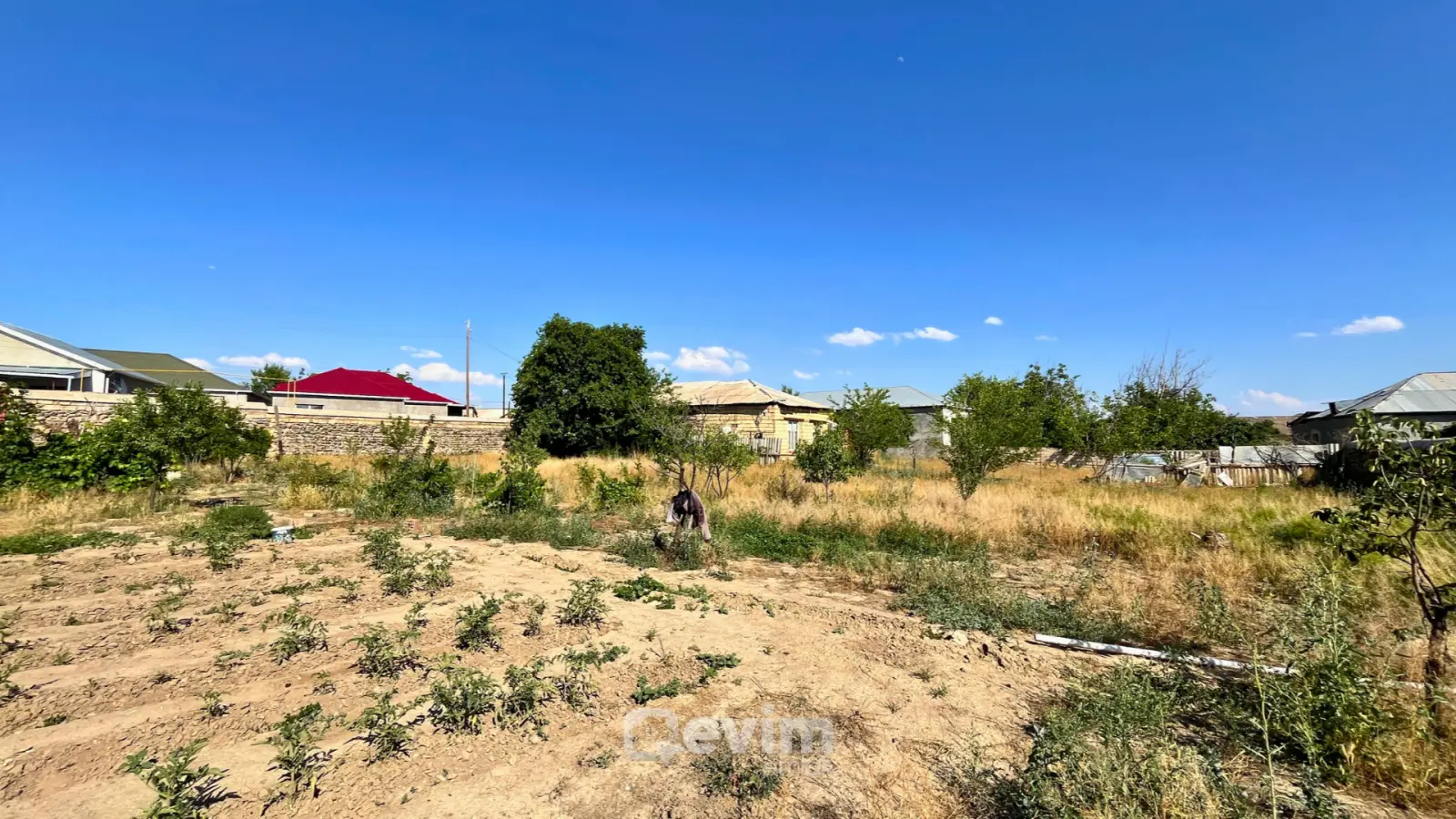
Gardening and gardening in the backyard: a beginner's guide
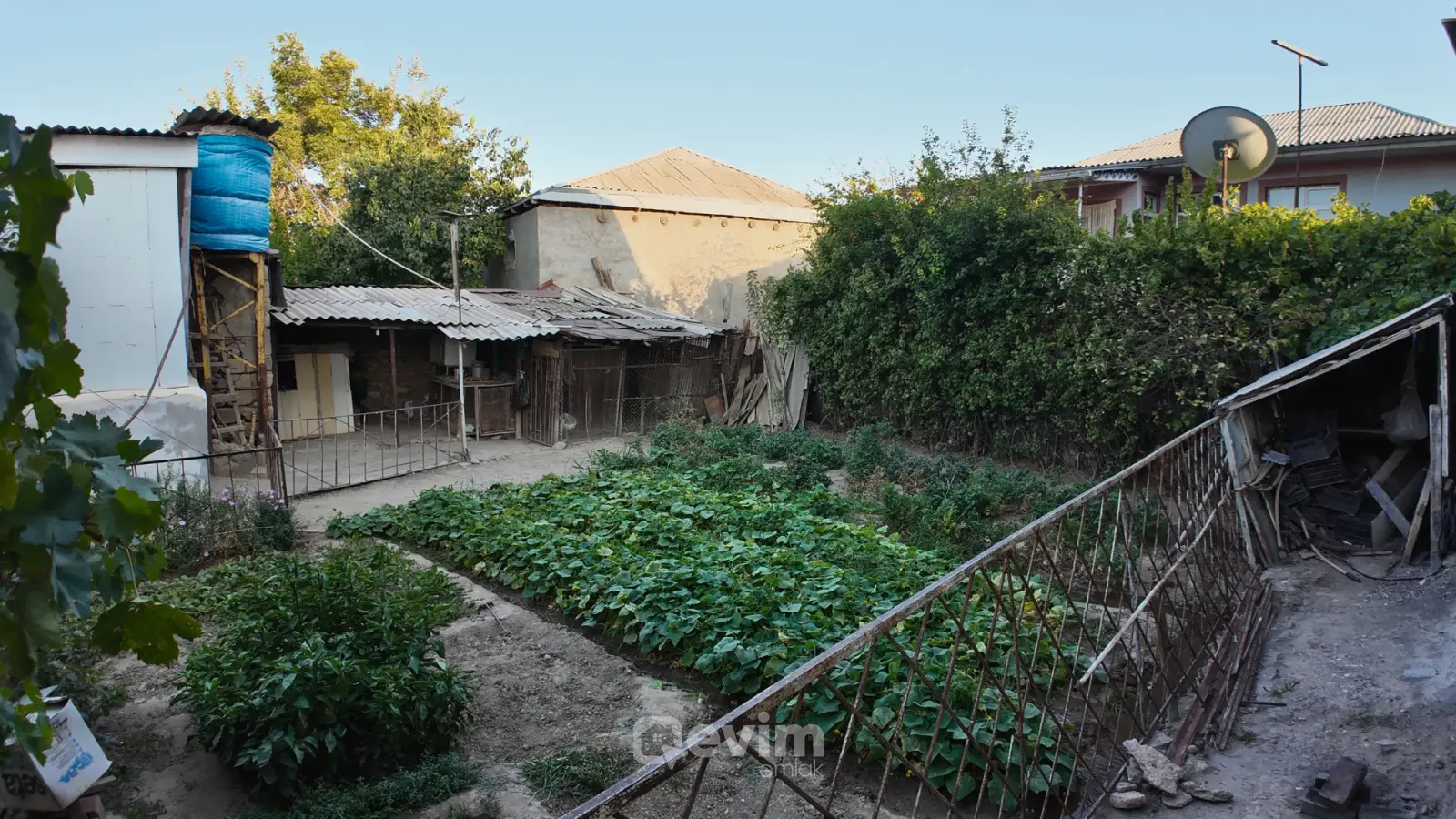
It is the most convenient way to start planting a garden and melons in the yard in autumn: this period is suitable for softening the soil, preparing compost and planning the patches. Start with a small area, think about watering in advance and expand the garden every year based on your experience. This guide provides simple directions for the first steps.
Fall preparation: get to know the area
Before starting work on the soil, carefully observe the yard. At what time of the day the sun falls on which part, where the shade is cast, where the water collects after the rain - note these things. Most vegetables like a sunny spot, so plan the spot in as open an area as possible. Also look at the soil itself: in some yards, the top layer is mixed during construction or very rocky. In this case, you can consider bringing fertile soil from outside for spots.
- Clean the area of dry grass, stones and construction debris.
- Approximately draw the location of future spots, paths and trees on paper.
- Prepare the tools: belt, rake, garden shears, watering can and gloves are enough to start.
- Consider the distance to the water tap: if the water is far away, watering will become more difficult.
Soil softening and composting
Turning the soil over in the fall and softening it helps to aerate it. This work is especially important in hard soil. When turning the soil, also remove the roots of perennial weeds.
Compost is a simple and inexpensive source of fertilizer for the garden. Set aside a space in a corner of the yard and collect:
- vegetable and fruit peels, tea leaves;
- grass, grass clippings, thin branches;
- egg shells.
Do not throw meat, fatty food scraps and diseased plants into the compost pile. Stir the pile from time to time, moisten it a little when it is too dry. You can mix ready compost into the soil of the spots. Place the compost pile at a distance from the windows of the house and the neighbor's fence so that it does not disturb anyone.
Spots in a small area
If the yard is not big, don't worry: even a few small spots can provide fresh greens and vegetables for the family table. These principles are useful for getting started:
- Narrow patches: wide enough to reach the middle on both sides without trampling the soil.
- Tall patches: raised patches with a wooden or brick frame look neat and easy to care for.
- Start with simple plants: plants like greens, radishes and lettuce are for starters. suitable.
- Rotation: gardeners advise not to plant the same plant in the same spot every year.
The goal of the first year is not to harvest a lot, but to gain experience. Make a note of which plants grow well and which ones cause problems - these notes will be invaluable for next year's plan.
Irrigation plan
Water is the main issue for the garden and melons in the dry and hot summer of Nakhchivan. Planning your watering in advance saves both time and water.
- Water plants early in the morning or in the evening, after the sun has cooled.
- A drip irrigation system delivers water directly to the bottom of the plant, reducing the time spent on manual watering.
- Covering the bottom of the plants with grass or hay helps the soil retain moisture longer.
- If possible, rain put a tank to collect its water.
- When you go on a trip, arrange watering with a neighbor or relative in advance.
Make watering a daily habit: looking at the garden at the same time every day also allows you to see pests and yellowing leaves in time.
General care for fruit trees
Fruit trees bring both shade and produce to the backyard. If you are going to plant a new tree, ask for advice from a nearby nursery or experienced neighbors about varieties suitable for the local climate.
- Plant trees far enough away from buildings, fences and each other - they will need space as they grow.
- Cut dry, diseased and rubbing branches from time to time.
- Keep the area around the trunk free of weeds, and the rotten fruit that falls under the tree in time harvest.
- Water young trees more carefully in the early years.
- If you notice changes in leaves or fruit, ask an expert why.
Involve children in gardening
A garden is a great place for children to learn outdoors. Give them a small spot and let them choose what to plant there. Planting seeds, watering and seeing the first sprout creates a sense of responsibility and patience in the child. Buy small tools for children and keep them away from cutting tools. Make harvest day a small family holiday - it is a special joy for children to see their own vegetables on the table.
Before starting gardening, it is useful to prepare the yard itself for the season; we talked about this in detail in our article preparing a backyard house for winter.
Frequently asked questions
When is the best time to start gardening?
It is convenient to start the preparation in the fall: you have time to clean the area, soften the soil and collect compost. Plan the planting itself according to the type of plant.
Is it possible to plant melons in a small yard?
Yes. A few narrow or tall spots are enough for greens and simple vegetables. The main thing is that the spots are in a sunny place and it is easy to water them.
What can be used for compost?
Vegetable and fruit peels, tea leaves, grass clippings, and eggshells. Don't throw meat and fatty food scraps into the compost heap.
If you want a house with its own garden and melon, look at advertisements of courtyard house and villa in Nakhchivan. Evim Imlak team can help you find a house with a large yard - contact us.