8 simple ways to reduce heat loss in the apartment
In order to reduce heat loss in the apartment, there is no need for major repairs: it is often enough to mold the gaps between windows and doors, use curtains and carpets correctly, put a reflective layer behind the radiator, balance humidity and ventilation, and plan the use of rooms. These eight steps both keep rooms warmer and put less strain on the heating system.
Windows: the main outlet for heat
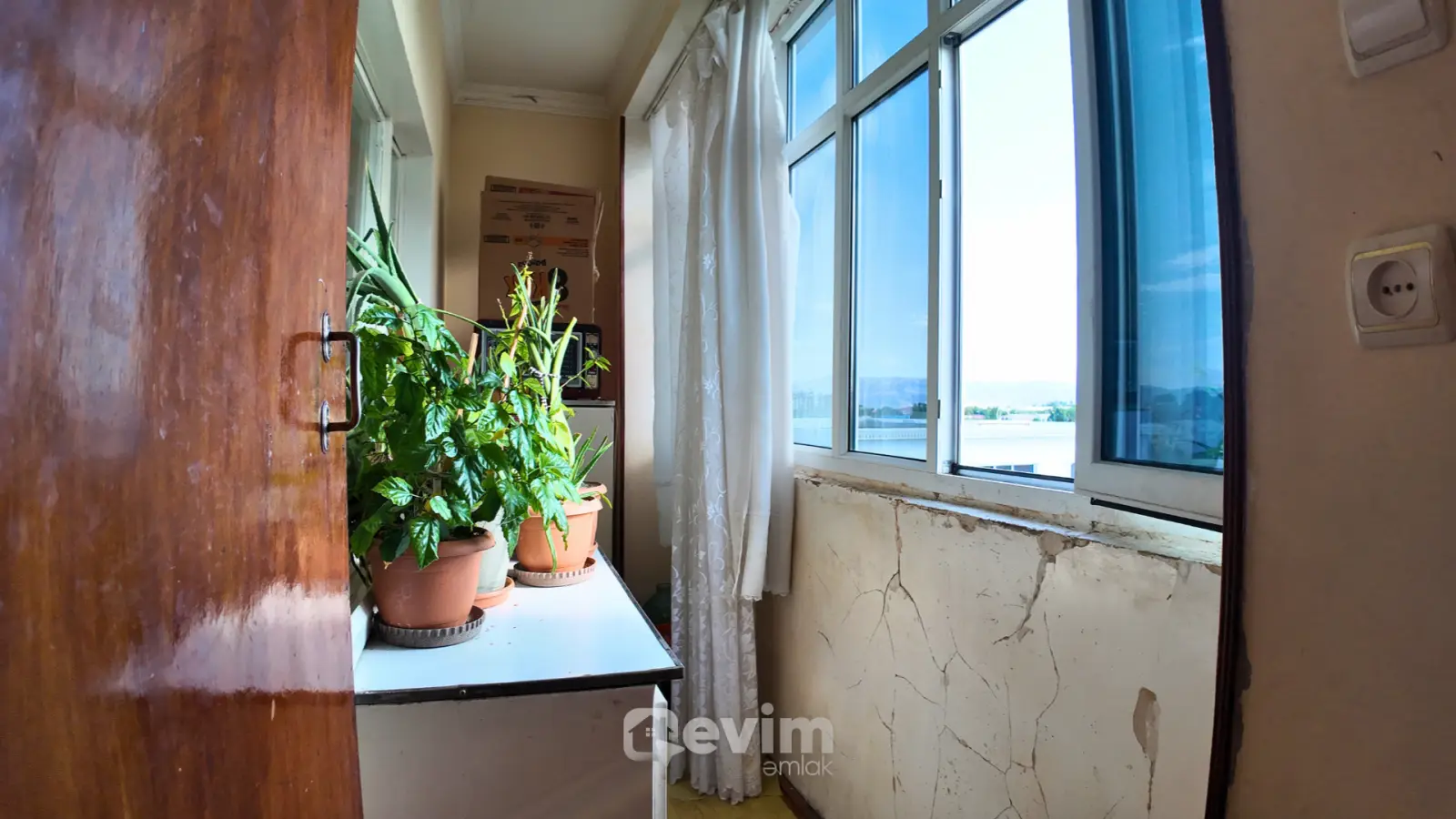
- 1. Check the condition of the windows. On a windy day, put your hand close to the edges of the frame; if a cold air current is felt, the heat is lost there. Replacing worn and hardened rubber seals on plastic windows often solves the problem. In many plastic windows, it is possible to adjust the degree of compression of the sash, which the master can do in a short time. In old wooden windows, sealing the gaps with sealing tape or applying a special heat-retaining film to the glass are simple solutions. If there is a crack between the frame and the wall, fill it with sealant.
Door gaps and curtains
- 2. Close door gaps. Gaps on the sides of the front door and the crack at the bottom are places where cold air enters the house directly. Attach a rubber seal to the door frame, and place brush tape or a simple under-door pad under the door. Check the patio door in the same way, as it often lets in more air than a window.
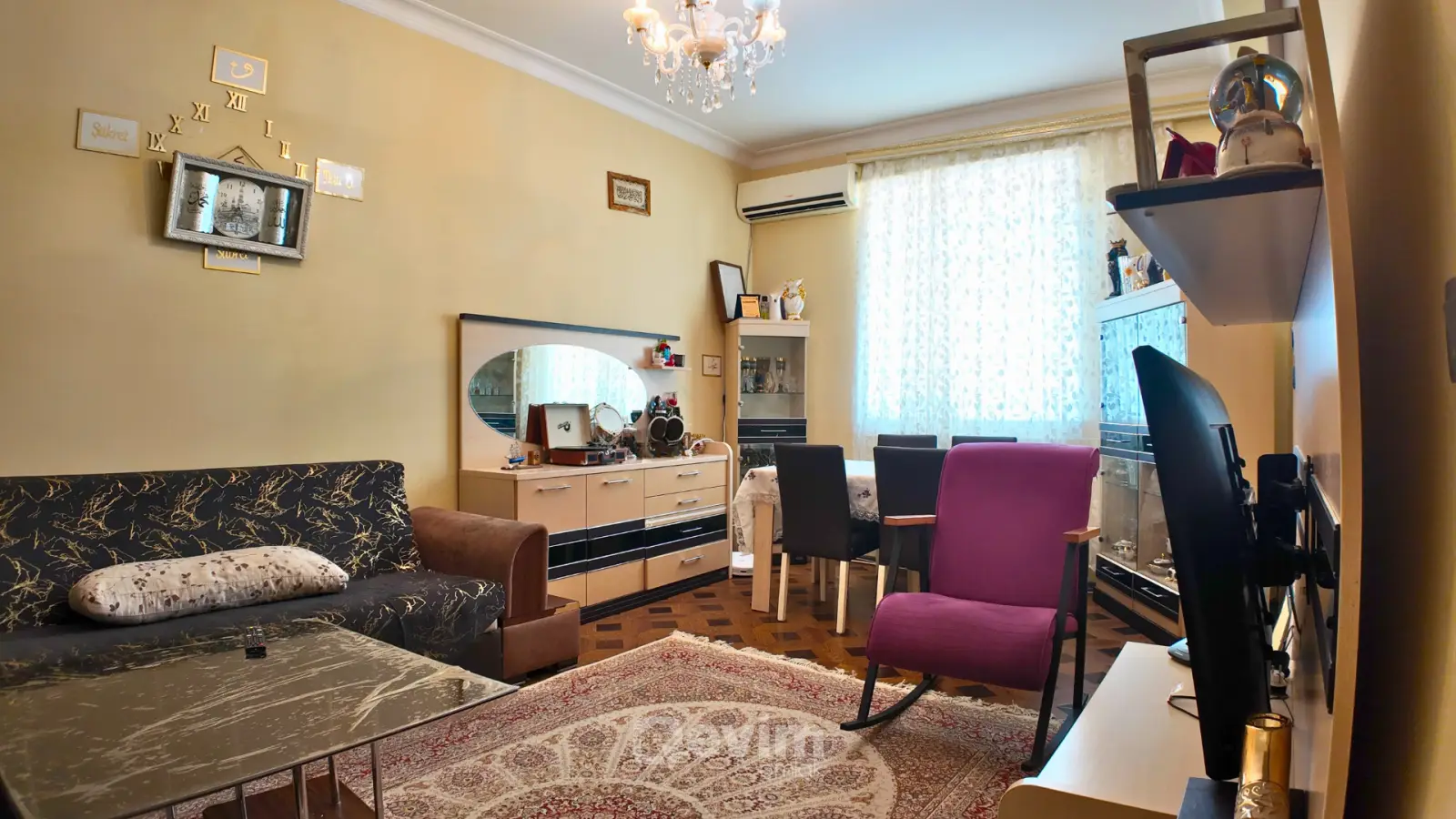
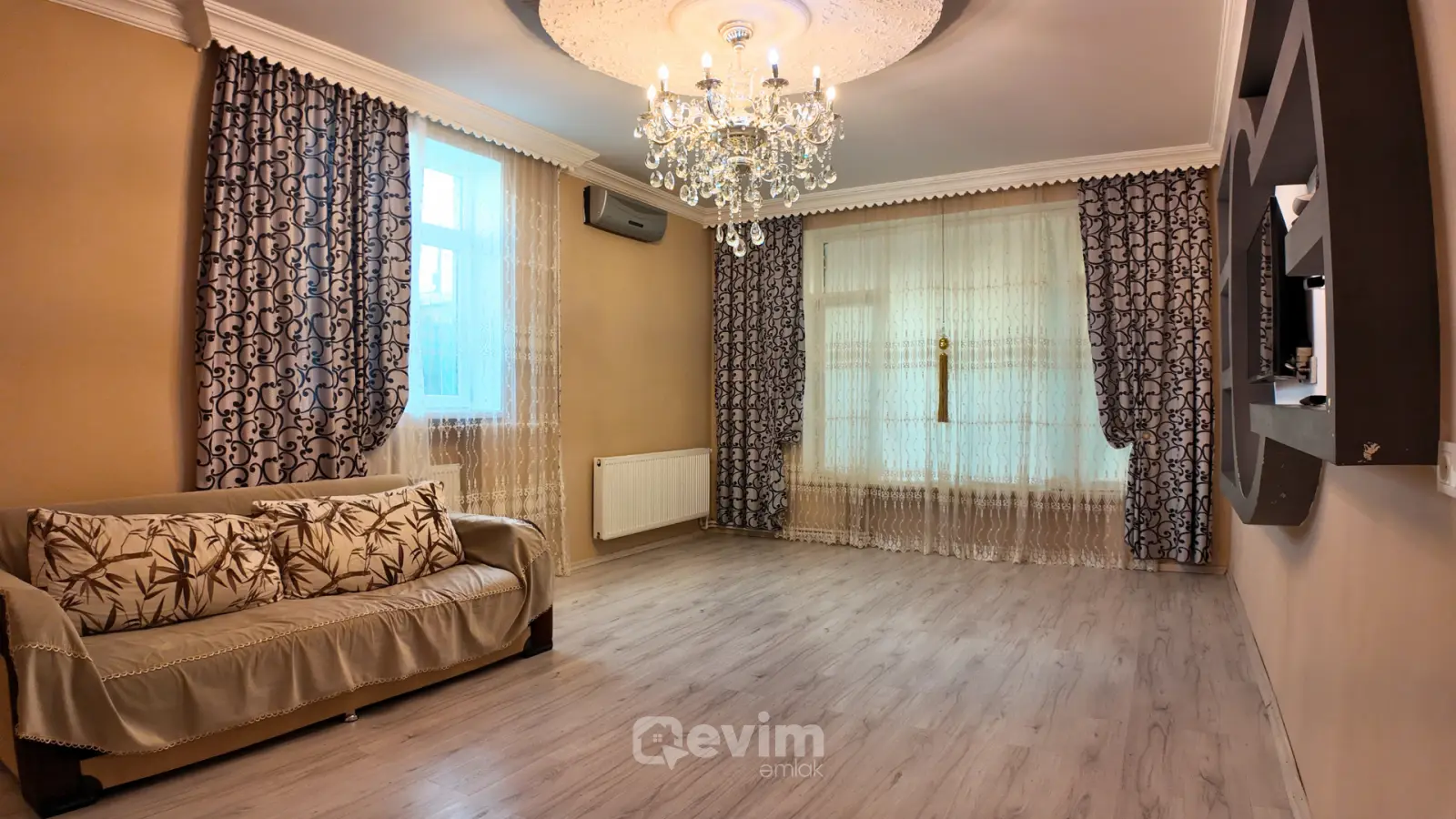
- 3. Use curtains wisely. Thick curtains create an additional layer between the window and the room at night and weaken the penetration of cold. During the day, open the curtains on the sunny side so that the sun heats the room naturally. Be careful that the curtain does not cover the radiator, otherwise warm air will be trapped between the window and the curtain.
Radiator and floor
- 4. Place a reflector behind the radiator. Part of the heat from a radiator attached to an external wall goes to heat the wall. Placing a layer of foil insulation between the radiator and the wall helps return heat to the room. It is not difficult to find this material in construction stores and install it yourself. Do not place a sofa or cabinet in front of the radiator, and do not cover it with a curtain.
- 5. Cover the cold floor with a carpet. The floor is cold, especially in apartments with an unheated basement on the first floor or below. A thick carpet or rug creates a warm layer underfoot and the room feels more comfortable. This is especially important in rooms where children play.
Humidity balance and air exchange
- 6. Keep the humidity in balance. Too dry air makes a room feel cold, too much humidity causes sweat on the windows, mold in the corners, and damp walls keep heat worse. Dry clothes as much as possible in a separate room or on the balcony, use an extractor fan when cooking in the kitchen. Keeping a small humidity meter at home makes it easy to monitor the situation. Do not stick the furniture completely to the outer wall, leave some space between them so that air circulates and moisture does not accumulate behind it.
- 7. Ventilate the rooms properly. Leaving the window slightly open all day cools the walls and around the window, and heat is continuously lost. Instead, several times a day, open the windows fully for a few minutes and then close them. With this method, the air is refreshed quickly, and the walls and furniture do not get cold. It is also possible to reduce the radiator regulator during ventilation.
Plan the use of rooms
- 8. Distribute the heat according to need. It is not always necessary to heat all rooms equally. Keep the rooms you spend the most time in warmer and the rooms you use less often a little cooler and keep their doors closed. Do not turn off the radiators completely, because in a completely cold room, moisture and mold can form on the walls. Many people find it convenient to keep the bedroom a little cool at night. If your system allows it, it is also possible to lower the heat slightly during the hours you are away, and then increase it again before you return.
When you apply these steps together, the difference is more noticeable. For example, restoring the window frame and hanging thick curtains, placing a reflector behind the radiator and changing the ventilation habit complement each other in the same room. Since the winter in Nakhchivan is cold, it is more convenient to do these things in the fall, before the cold sets in.
What to look for when choosing an apartment
If you are looking for a new apartment, checking the issue of heating during the inspection will prevent a lot of costs later. Pay attention to the type and condition of the windows, whether there are traces of moisture in the corners, the number and location of radiators, the side of the apartment facing the sun. Also note the differences in roof and basement on the top and bottom floors. If possible, ask the landlord or neighbors how the apartment is heated in winter, as this is one of the most useful pieces of information. You can see the options for sale and rent in apartment ads.
Frequently asked questions
Where is the most heat lost in the apartment?
Usually window and door gaps, worn-out insulation, external walls and cold floor are the main places of loss. You can determine which point is more problematic by checking the air flow manually on a windy day.
Is it okay to keep the window slightly open during the day?
In winter, this method continuously lets heat out and cools the window area. It is more efficient to do short and full ventilation several times a day.
Is it really useful to put a reflector behind the radiator?
It is especially useful for radiators attached to the external wall, because it directs part of the heat into the room instead of the wall. The material is cheap and the installation is simple.
If you are looking for a warm, well-maintained and comfortable apartment, Evim Imlak team can help you choose options that suit your needs in Nakhchivan. contact us for your questions.